

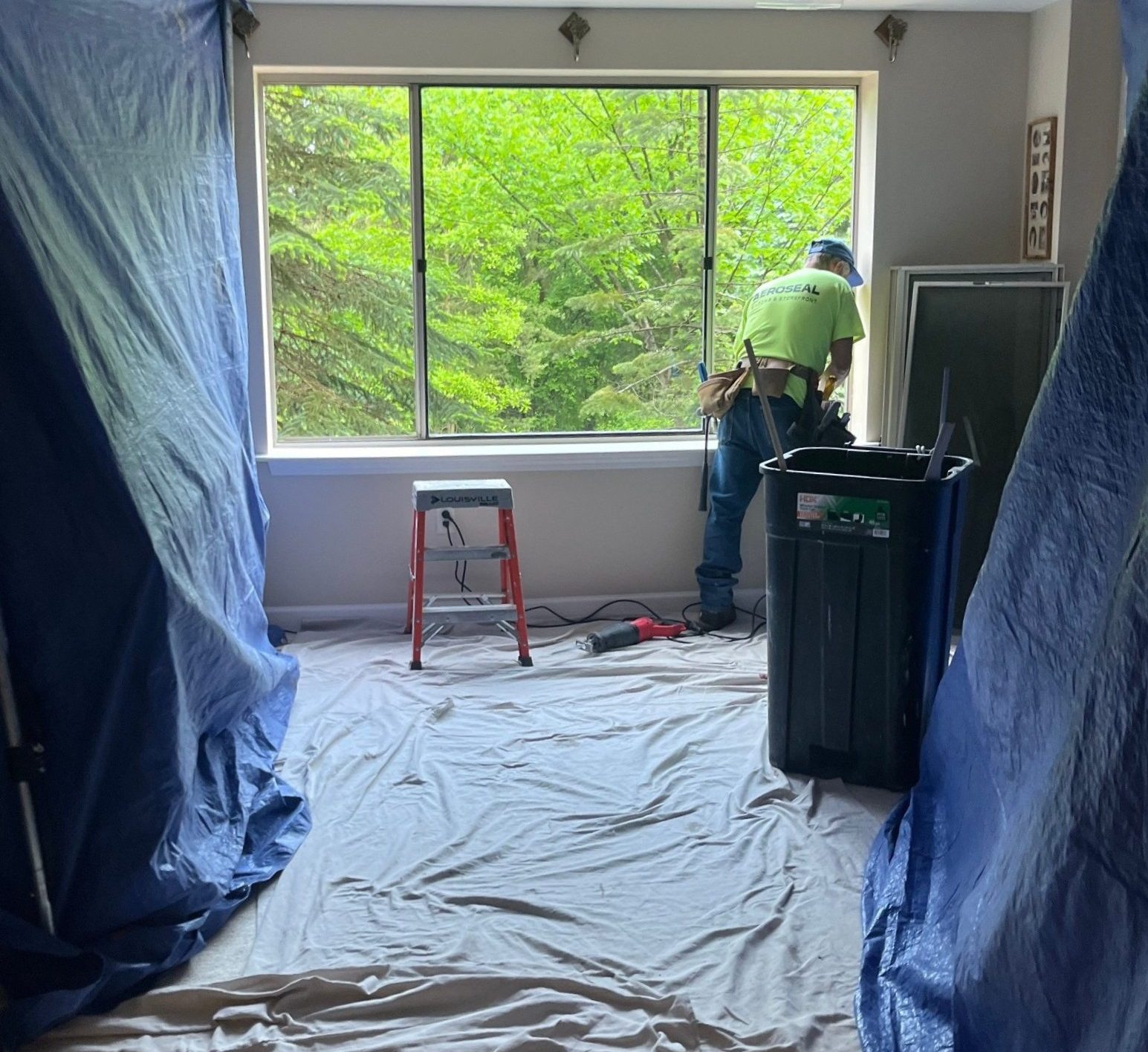
Behind the Scenes: A Day of Occupied-Space Window Replacements
Occupied-Space Window Replacement Requires More Than Installation Expertise
Replacing windows in an occupied building is very different from working in a vacant structure. While the goal is still to improve building performance, energy efficiency, and occupant comfort, the process must be carefully planned around the people who continue to live, work, learn, or receive services inside the building.
Occupied-space window replacement projects require specialized coordination, communication, safety planning, and logistics to ensure construction activities can proceed while minimizing disruption to daily operations.
Aeroseal has built its reputation as a tenant-in-place renovation specialist. With more than 500,000 replacement windows installed, Aeroseal has extensive experience managing complex replacement projects in active environments. Our project management approach is specifically designed around the tenant experience, helping property owners maintain building operations while delivering a smooth renovation process for occupants.
What Is an Occupied-Space Window Replacement Project?
An occupied-space window replacement project occurs when windows are replaced while the building remains in use. Unlike vacant construction projects, occupants continue their normal activities throughout the renovation process.
These projects may involve:
- Apartment communities
- Senior living facilities
- Hotels
- Educational facilities
- Healthcare buildings
- Government buildings
- Office properties
- Mixed-use developments
Window replacement in occupied spaces presents unique challenges because construction activities must be coordinated around people, schedules, and ongoing operations.
Potential challenges include:
- Noise management
- Dust and debris containment
- Occupant safety
- Access coordination
- Weather exposure
- Tenant communication
- Maintaining building operations
Fortunately, building operations are generally unaffected throughout the process. In some situations, entrances or pathways may need temporary modifications to maintain safe access for tenants and visitors while work is underway.
Pre-Project Planning: The Work Starts Long Before Installation Day
Successful occupied-space projects begin weeks before the first window is removed. Comprehensive planning helps ensure crews can work efficiently while minimizing disruptions to occupants and facility operations. Before installation begins, Aeroseal conducts site assessments and coordinates closely with property managers, facility teams, and ownership groups.
Planning typically includes:
- Safety assessments
- Material delivery coordination
- Phased replacement scheduling
- Occupant notifications
- Parking and loading logistics
- Equipment staging plans
- Weather contingency planning
Weather planning is particularly important for window replacement projects. Two primary weather-related concerns are wind and rain. High winds can create dangerous working conditions, especially when crews are working at elevated heights. Rain presents a different challenge. While rain itself may not prevent window installation, sealants cannot be properly applied to wet or damp substrates.
Because Aeroseal strives to complete installations with immediate weather-tight sealing, wet conditions can impact scheduling and require adjustments. Careful planning allows the team to proactively address these variables and maintain project momentum.
Early Morning Setup: Preparing the Site for a Safe Workday
The goal of any renovation project is to establish safe, organized work zones while protecting both occupants and property.
Before most occupants begin their day, crews arrive on-site. Preparation begins with a review of the daily schedule. After the schedule review is complete, daily set-up beings.
Typical setup activities include:
- Installing floor protection
- Establishing exterior safety zones
- Positioning lifts and equipment
- Staging tools and materials
- Installing signage
- Conducting safety briefings
Aeroseal primarily utilizes caution tape outdoors and work-zone signage indoors to clearly identify active construction areas. Additional signage may be required when projects involve lead-containing materials, asbestos coordination, or other EPA-regulated conditions. These preparations help establish a safe environment before window replacement activities begin.
Coordinating Work Around Occupants
One of the most important aspects of occupied-space renovation is coordinating construction activities around building occupants.
Whether crews are working in apartments, hotel rooms, classrooms, offices, or healthcare facilities, communication and scheduling are essential to maintaining a positive occupant experience.
Common strategies include:
- Floor-by-floor scheduling
- Wing-by-wing scheduling
- Temporary room closures
- Maintaining emergency exits and access routes
- Working during off-hours when appropriate
Effective communication ensures occupants understand when work will occur, how long it will take, and what to expect during the replacement process. Property managers, maintenance teams, and construction managers play a critical role in keeping everyone informed and helping crews maintain efficient workflows.
The Window Replacement Process
Although every building presents unique conditions, most occupied-space window replacement projects follow a similar sequence.
The process generally includes:
- Preparing and staging the work area
- Removing the existing window system
- Inspecting surrounding conditions
- Installing the new window
- Sealing and waterproofing
- Performing quality control inspections
- Cleaning the work area
Throughout installation, crews focus on maintaining occupant safety while delivering a durable, weather-tight window system.
Modern replacement windows can also provide significant performance improvements, including improved energy efficiency and occupant comfort, reduced air infiltration, and improved water resistance. Careful installation practices help ensure these benefits are fully realized.
Keeping the Building Safe, Clean, and Operational
Safety and cleanliness are priorities throughout every occupied-space project.
Maintaining a functional environment requires continuous housekeeping, debris management, and quality control measures.
Key focus areas include:
- OSHA compliance
- EPA Lead-Safe practices, as required
- Fall protection
- Dust management
- Debris removal
- Daily cleanup procedures
- End-of-day inspections
Aeroseal utilizes CompanyCam to photo-document installation progress and complete project-specific installation checklists. These customized checklists help project managers verify installation requirements, document quality control measures, and ensure every work area is properly cleaned before crews leave for the day.
Because every building is unique, checklist requirements are tailored to the specific needs of each project.
Unexpected Issues That Can Arise During Occupied Projects
Even with extensive planning, older buildings often reveal hidden conditions once window replacement begins.
Common surprises include:
- Water damage
- Structural deterioration
- Hidden framing issues
- Weather delays
The key to managing these situations is flexibility and communication.
Weather delays, for example, are often handled by shifting the entire installation schedule by one or more days depending on the severity of the weather event. This approach is typically preferred by residents because it preserves the overall sequence of scheduled installations rather than forcing certain occupants to be pushed further behind others.
Quick problem-solving and transparent communication help projects stay on track when unexpected conditions arise.
End-of-Day Wrap-Up
At the end of each workday, crews focus on restoring safe, usable spaces for occupants.
Daily closeout activities typically include:
- Cleaning work areas
- Removing debris
- Clean-up of dumpster area
- Securing equipment
- Conducting quality inspections
- Confirming weather protection
- Preparing for the next day’s work
Communication remains a critical component throughout the project lifecycle.
Aeroseal maintains regular communication with facility and property management teams through several structured touchpoints:
- Pre-construction meeting
- Weekly scheduling meetings
- Pre-closeout meeting
- Project closeout meeting
These meetings help ensure all stakeholders remain informed and aligned throughout the project.
Why Experience Matters in Occupied-Space Projects
Occupied-space window replacement projects require far more than installation expertise. Contractors must balance construction quality with communication, logistics, safety, scheduling, and tenant satisfaction. An experienced occupied-space contractor can help reduce disruptions, improve communication, maintain project schedules, and protect occupant safety.
With more than 500,000 replacement windows installed, Aeroseal has developed systems and processes specifically designed for tenant-in-place renovations. This experience allows property owners and facility managers to confidently pursue building improvements while maintaining day-to-day operations.
Partner With Aeroseal for Your Next Occupied-Space Window Replacement Project
A successful occupied-space window replacement project requires careful planning, skilled execution, and constant communication. From pre-construction coordination and tenant communication to installation quality and final closeout, every phase must be managed with occupants in mind.
Aeroseal’s experience as a tenant-in-place renovation specialist allows building owners, property managers, and facility teams to complete complex window replacement projects while keeping facilities operational and occupants comfortable.
If you are planning a window replacement project in an occupied facility, contact Aeroseal today to discuss your building, project goals, and scheduling requirements. Our team serves a wide range of commercial, multifamily, institutional, and specialty facilities throughout our service area and can help develop a replacement strategy that minimizes disruption while maximizing long-term building performance. Contact us to get started.